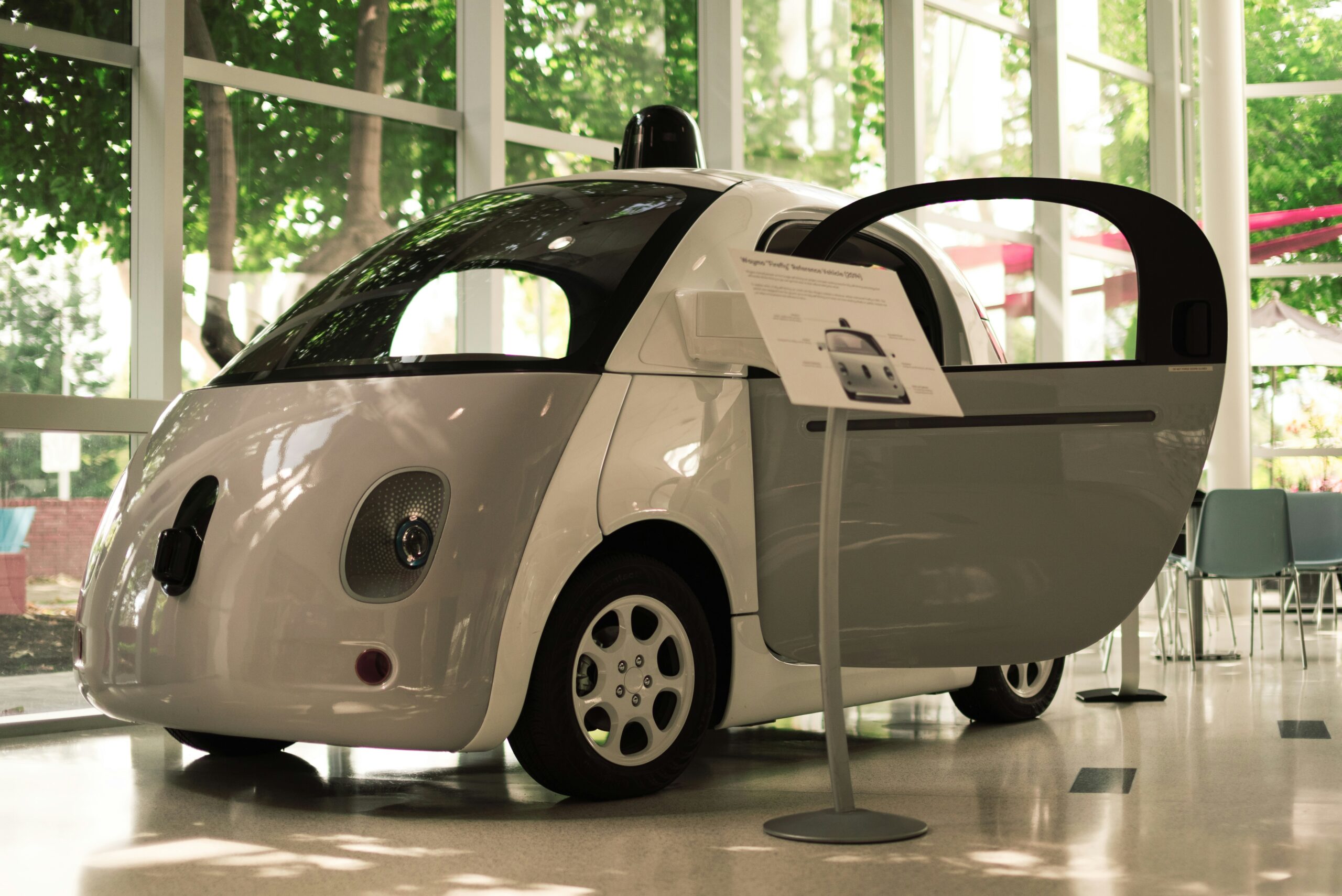

The automotive industry is undergoing a seismic shift with the rise of driverless vehicles. What was once the realm of science fiction is now becoming a reality, as autonomous cars take to the roads, promising a future of safer, more efficient, and environmentally friendly transportation. In the United Kingdom and across the world, the development and implementation of driverless vehicles have sparked debates about technology, regulation, and the very nature of human mobility.
The Evolution of Autonomous Vehicles
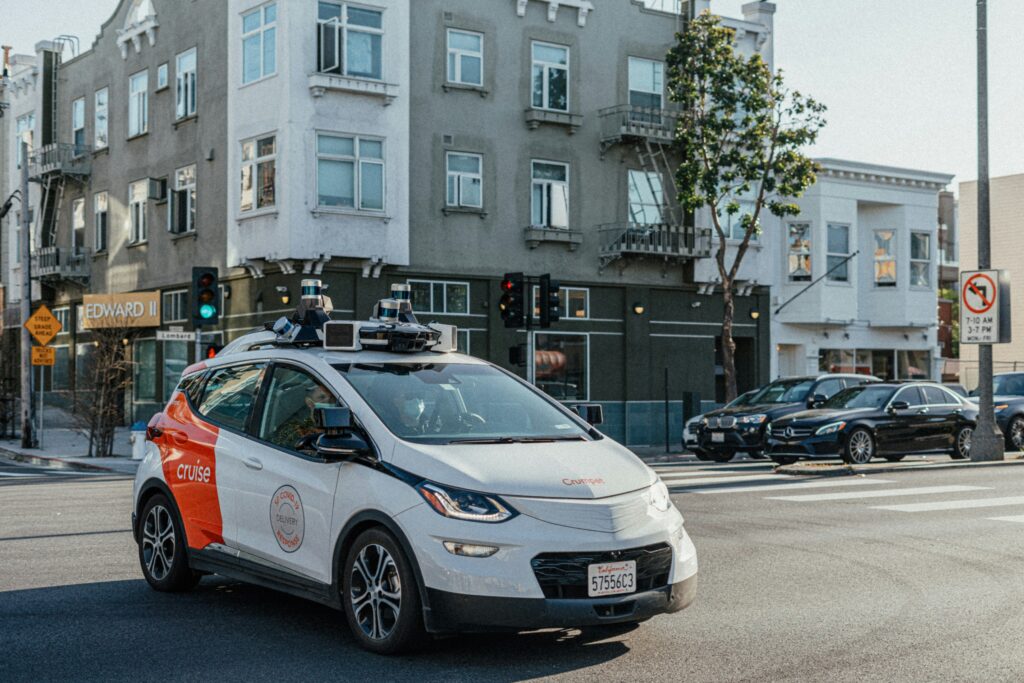
Driverless technology has been in development for decades, but only in recent years has it made significant strides. The concept of self-driving cars dates back to the 1920s when early experiments explored the possibility of radio-controlled vehicles. However, true autonomy only became viable with the advent of advanced artificial intelligence (AI), machine learning, and sophisticated sensor technology.
Modern autonomous vehicles rely on a combination of cameras, radar, LiDAR (Light Detection and Ranging), and GPS to navigate their surroundings. These systems work together to detect obstacles, interpret traffic signals, and make real-time driving decisions. Machine learning algorithms continuously improve the vehicle’s ability to predict and respond to road conditions, making driverless technology increasingly reliable.
Levels of Autonomy
The Society of Automotive Engineers (SAE) defines six levels of automation, from Level 0 (no automation) to Level 5 (full automation):
- Level 0: No automation; the human driver controls all aspects of driving.
- Level 1: Driver assistance; features like adaptive cruise control aid the driver.
- Level 2: Partial automation; the car can steer and accelerate, but the driver must remain engaged.
- Level 3: Conditional automation; the vehicle can handle driving tasks but may require human intervention.
- Level 4: High automation; the car can operate without human input in certain conditions.
- Level 5: Full automation; no human intervention is required under any conditions.
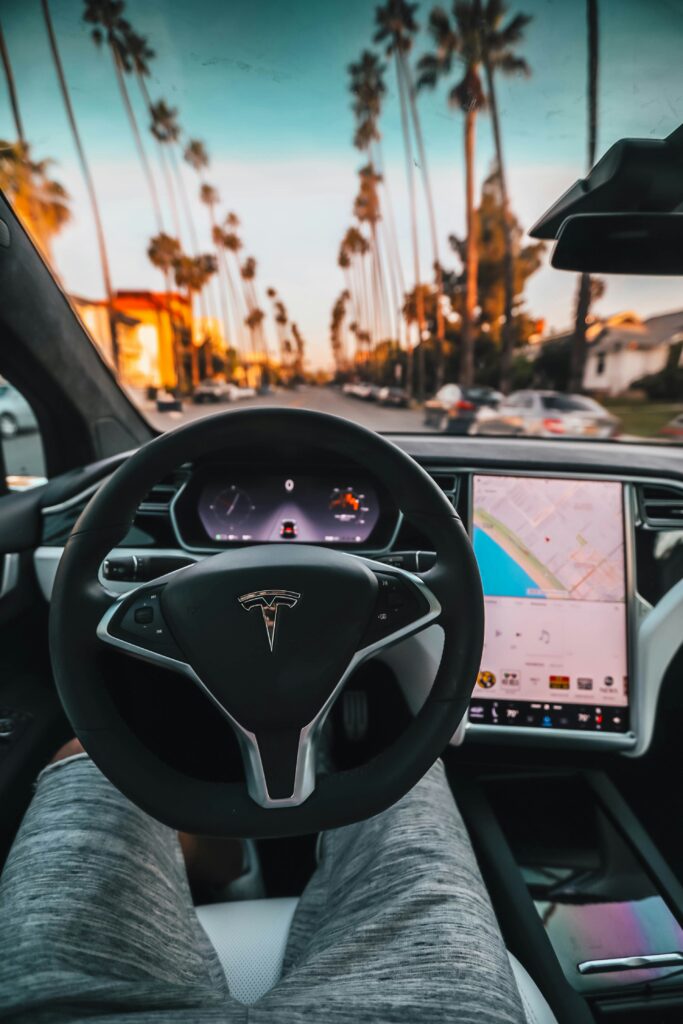
While most current autonomous vehicles fall between Levels 2 and 4, companies such as Tesla, Waymo, and traditional automakers are pushing towards Level 5 automation.
The Benefits of Driverless Vehicles
The adoption of autonomous vehicles could bring numerous benefits, particularly in terms of safety, efficiency, and accessibility.
1. Enhanced Safety
Human error accounts for the vast majority of road accidents. Driverless technology, with its ability to process information faster than humans and avoid distractions, has the potential to drastically reduce collisions. Autonomous vehicles do not suffer from fatigue, impairment, or poor decision-making, making them inherently safer than human drivers in many scenarios.
2. Traffic Efficiency and Reduced Congestion
AI-driven vehicles can optimise traffic flow by reducing bottlenecks and accidents caused by human error. With precise speed control and coordinated movement, driverless cars could reduce congestion and improve fuel efficiency, leading to lower emissions.
3. Increased Mobility for All
Driverless vehicles could revolutionise transport for elderly individuals, people with disabilities, and those unable to drive. Autonomous ride-hailing services could provide new levels of independence and accessibility for individuals who currently struggle with conventional transport options.
4. Environmental Benefits

Autonomous technology, when combined with electric vehicles, has the potential to significantly lower carbon emissions. Efficient routing and smooth acceleration patterns could further reduce fuel consumption, contributing to a greener future.
Additionally, reduced traffic congestion from self-driving systems could lead to less idling and lower overall energy waste.
Challenges and Concerns
Despite the promise of driverless technology, there are significant hurdles to overcome before widespread adoption becomes a reality.
1. Regulatory and Legal Barriers
Governments worldwide are grappling with how to regulate autonomous vehicles. Questions regarding liability in the event of an accident, insurance frameworks, and safety standards remain unresolved. The UK government has made strides in developing guidelines, but a comprehensive legal framework is still in progress.
2. Ethical Dilemmas
Autonomous vehicles must make split-second ethical decisions in unavoidable crash situations. Should an AI prioritise the lives of its passengers over pedestrians? The development of ethical frameworks for driverless AI is an ongoing challenge with no clear consensus.
3. Cybersecurity Threats
As driverless cars rely heavily on software and connectivity, they are vulnerable to hacking and cyber-attacks. Ensuring robust cybersecurity measures is crucial to preventing malicious interference that could endanger passengers and other road users. Regular software updates and advanced encryption protocols will be essential in safeguarding these systems against evolving threats.

4. Public Acceptance and Trust
Many people remain sceptical about entrusting their safety to AI. High-profile accidents involving autonomous vehicles have heightened concerns about reliability. Widespread acceptance will depend on demonstrable improvements in safety and rigorous testing.
The UK’s Approach to Driverless Technology

The UK has positioned itself as a leader in autonomous vehicle development. Government-backed initiatives, such as the Centre for Connected and Autonomous Vehicles (CCAV), aim to establish the country as a hub for innovation in driverless technology.
Pilot programmes have been launched in cities like London, Oxford, and Coventry to test autonomous taxis, delivery vehicles, and public transport systems. Additionally, the UK has committed to allowing driverless vehicles on roads by 2025, provided safety and regulatory frameworks are in place.
The Future of Driverless Vehicles
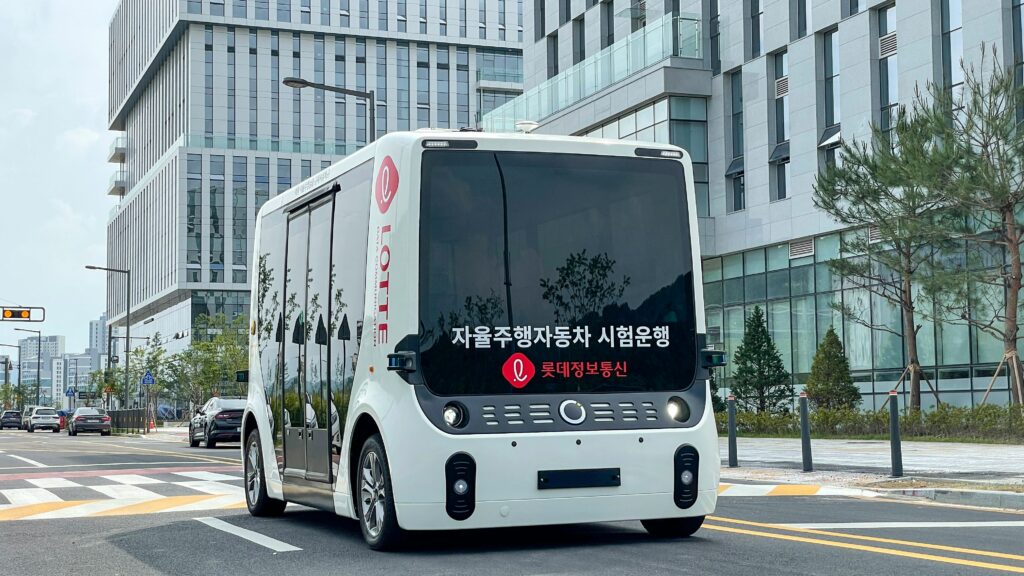
While there is still much work to be done, the trajectory of driverless technology suggests that it will play a major role in the future of transportation. Experts predict that autonomous vehicles could become commonplace within the next two decades, revolutionising how people and goods move across cities.
As technology advances, public perception shifts, and regulatory frameworks solidify, the vision of a world where cars drive themselves is edging closer to reality. Whether society is ready to embrace this change remains to be seen, but one thing is certain: driverless vehicles are no longer a distant dream, but an impending revolution.