
Temperatures have climbed above 21C in parts of England meaning Thursday is the UK’s warmest day of the year so far.
According to the Met Office, Northolt in London and Chertsey in Surrey reached 21.3C (70.3F), exceeding the previous high of 19.7C (67.5F) set earlier in March.
Wales has also had its highest temperature of 2025 so far with 20.4C (68.7F) recorded at Gogerddan in Ceredigion – provisionally Wales’ warmest spring equinox on record.
The equinox marks the first day of astronomical spring – although weather forecasters tend to refer to meteorological spring which began on 1 March.
Moderate UV levels and high or very high concentrations of tree pollen are also forecast across many parts of the UK.
But under sunny skies temperatures climbed rapidly through the morning, exceeding 21C (70F) in some places during the afternoon.
In fact they got very close to those seen on the warmest spring equinox on record. Cambridge Botanic Garden had a high of 21.5C (70.7F) on 20 March 1972.
Warming up after a cold start
Temperatures fell to -7.9C (17.8F) in Braemar on Wednesday night and it was a widely frosty start on Thursday across Scotland and northern England.
England and Wales have had the lion’s share of the warmth with Northern Ireland and Scotland remaining a little cooler – although some spots exceeded 16C (61F), well above the seasonal norm.
Are high temperatures unusual for March?
During this brief spell of warm weather temperatures are roughly 4-7°C (7.2-12.6°F) above the March average.
However, this isn’t uncommon for the time of year.
March is a transition season – from winter to spring – during which we often see big temperature swings depending on the direction of the wind.
Although not unusual, this type of warmer spell in spring is made more likely due to climate change.
Scientists from Climate Central, external suggest this week’s temperatures have been made at least one-to-three times more likely by climate change across a lot of the UK, and for some regions at least four-to-five times more likely.
The highest-ever March temperature of 25.6C (78.1F) was recorded at Mepal, Cambridgeshire, in 1968.
The UK Spring Equinox: A Time of Renewal

The Spring Equinox, also known as the Vernal Equinox, marks the official start of spring in the UK and occurs around March 20th or 21st each year. On this day, the length of daylight and darkness is nearly equal, as the Sun crosses directly over the celestial equator. This astronomical event signifies the transition from winter to spring, bringing longer, warmer days and the renewal of nature.
For centuries, the equinox has been celebrated in various cultures. In the UK, it holds particular significance at ancient sites like Stonehenge, where people gather to watch the sunrise align with the stones.
Many Pagans and Druids see the equinox as a time of balance and fertility, honouring the changing seasons with rituals and gatherings.
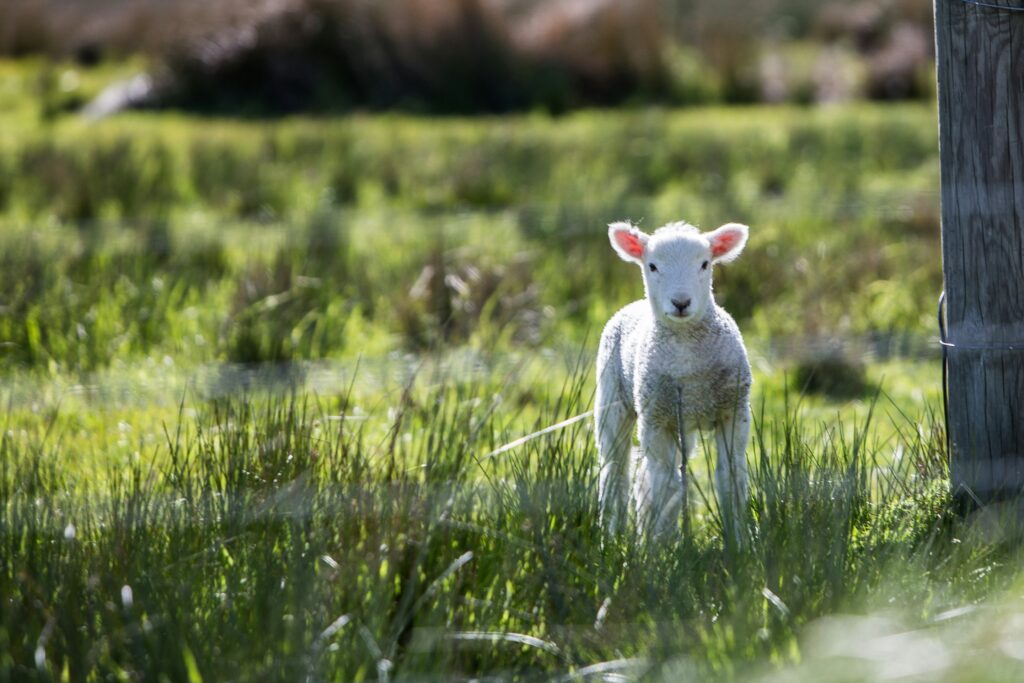
The equinox also influences British wildlife and agriculture. Trees begin to bud, flowers bloom, and migratory birds return, signalling the start of new life. Farmers historically used this time to plant crops, taking advantage of the increasing daylight hours.
In modern times, the Spring Equinox is a reminder of nature’s cycles and a welcome sign that warmer weather is on the horizon, bringing optimism and energy after the long winter months.