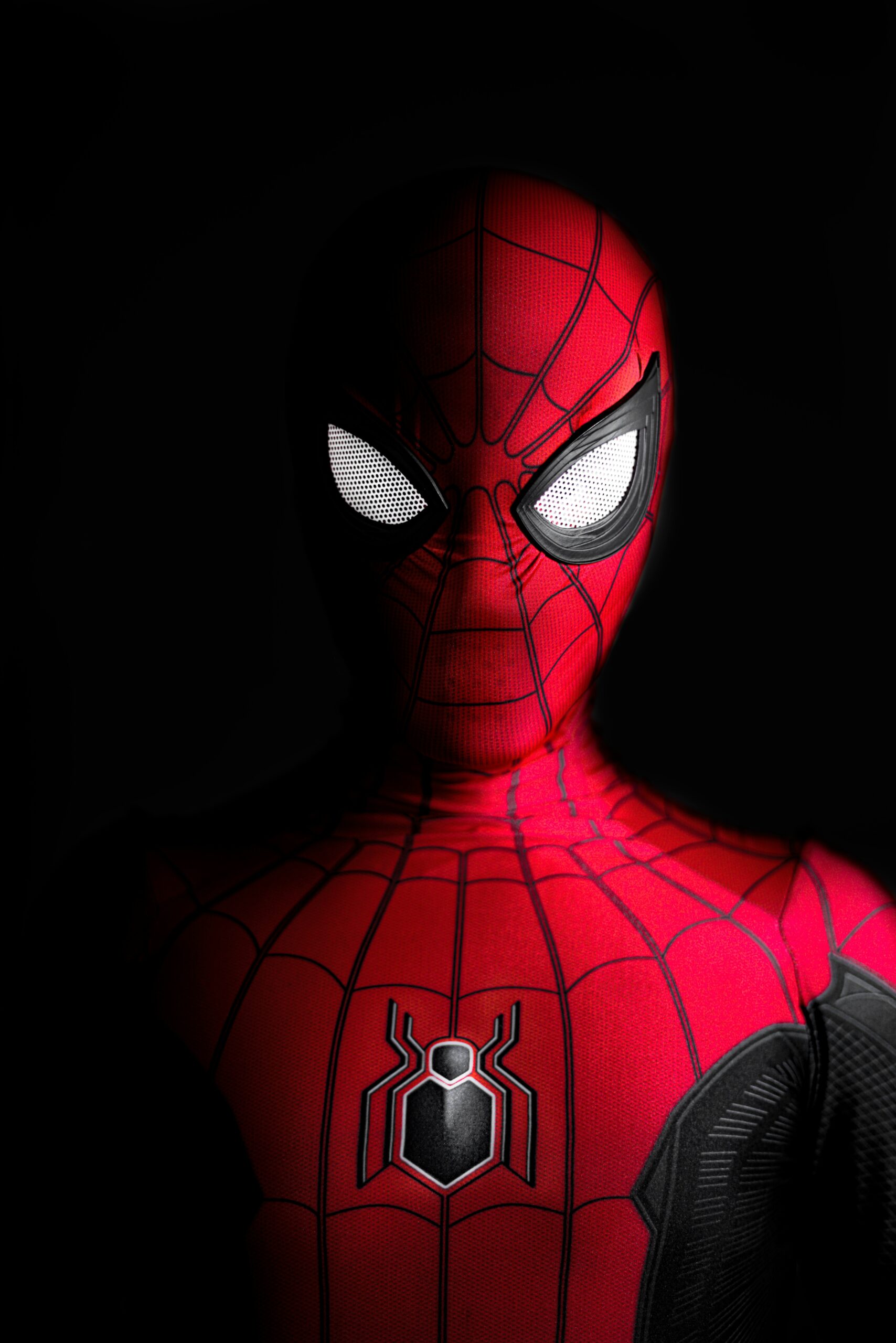

Rumours of Sadie Sink teaming up with Marvel Studios have been doing the rounds for some time now, with serial scoopers such as The InSneider having previously posited that the star could be Kevin Feige’s pick to play X-Men lynchpin Jean Grey, but today’s casting confirmation is the first official word on Sink’s Marvel plans. (And no, there are no solid statements as of yet confirming or denying the Grey rumours as of yet — or some multiversally outré Mary Jane ones, either.)
Where things will go in the fourth Spider-Man film is anybody’s guess, especially given the virtual blank slate that was left behind by No Way Home‘s memory wiping denouement. And with star Tom Holland currently busy on a boat off the coast of Greece filming Christopher Nolan’s The Odyssey with his Spidey co-star and fiancée Zendaya, we imagine we won’t hear too much more about his big MCU comeback before shooting on Cretton’s film gets underway this summer.
What we do know is that Shang Chi director Destin Daniel Cretton is set to helm the first outing for everybody’s favourite friendly neighbourhood Spider-Man since 2021’s No Way Home; that series regulars Erik Sommers and Chris McKenna are back on script duty; and that Holland’s seventh screen outing as Spidey is set to hit cinemas just a few short months after Robert Downey Jr.’s MCU return in Avengers: Doomsday, which is currently slated for release on 1 May, 2026.

The Evolution of Spider-Man on the Big Screen
Spider-Man is one of the most beloved superheroes in cinema history, with multiple film adaptations spanning over two decades. From Sam Raimi’s original trilogy to the Marvel Cinematic Universe (MCU) version, each iteration has brought something unique to the character and his world.
Sam Raimi’s Spider-Man Trilogy (2002–2007)
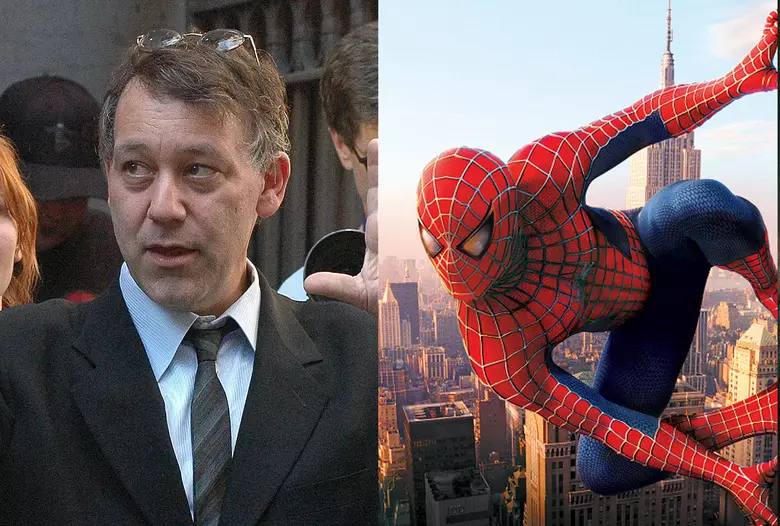
The first major live-action Spider-Man films were directed by Sam Raimi and starred Tobey Maguire as Peter Parker. Spider-Man (2002) was a game-changer for superhero movies, blending action, emotion, and groundbreaking visual effects. Its sequel, Spider-Man 2 (2004), is often hailed as one of the best superhero films of all time, thanks to its compelling story and Alfred Molina’s portrayal of Doctor Octopus. However, Spider-Man 3 (2007) received mixed reviews due to its overcrowded plot and the controversial portrayal of Venom.
The Amazing Spider-Man Reboot (2012–2014)
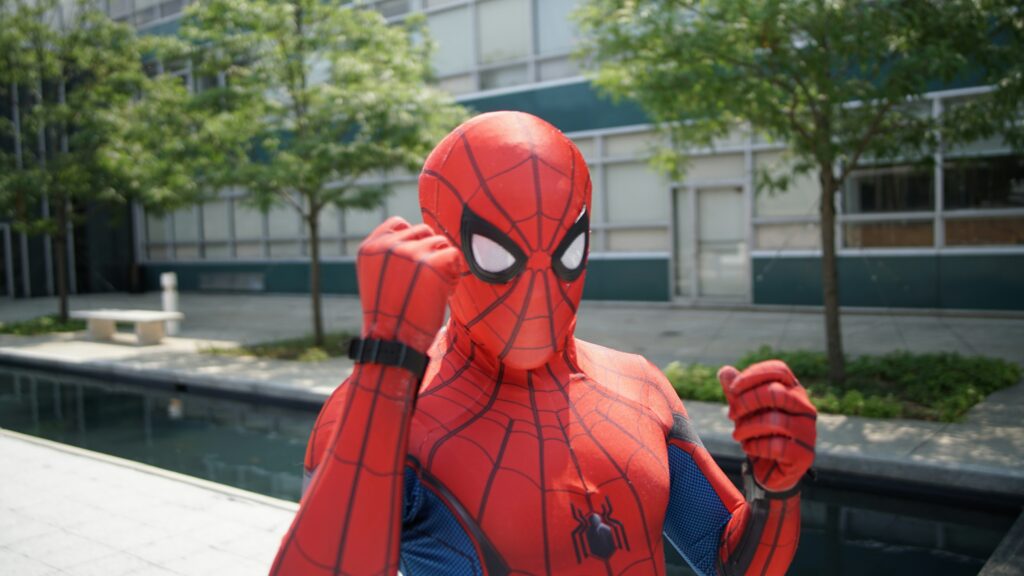
After Raimi’s trilogy ended, Sony rebooted the franchise with The Amazing Spider-Man (2012), starring Andrew Garfield. This version took a darker, more grounded approach, exploring Peter Parker’s origins differently. The sequel, The Amazing Spider-Man 2 (2014), introduced multiple villains but was criticised for being overly ambitious. The franchise was ultimately cut short, leading to Spider-Man’s integration into the MCU.
Spider-Man in the MCU (2016–Present)
Tom Holland’s portrayal of Spider-Man debuted in Captain America: Civil War (2016), marking the character’s official entry into the MCU. This version presented a younger Peter Parker, balancing high school life with superhero duties. His solo films—Spider-Man: Homecoming (2017), Far From Home (2019), and No Way Home (2021)—have been immensely popular. No Way Home became a cultural phenomenon by bringing back Tobey Maguire and Andrew Garfield, creating an epic multiversal crossover.
Animated Success: Spider-Verse
Spider-Man: Into the Spider-Verse (2018) introduced audiences to Miles Morales, a new Spider-Man from an alternate universe. The film’s innovative animation style and heartfelt storytelling won it an Academy Award. Its sequel, Across the Spider-Verse (2023), expanded on the multiverse concept and set the stage for an even bigger finale.
The Future of Spider-Man
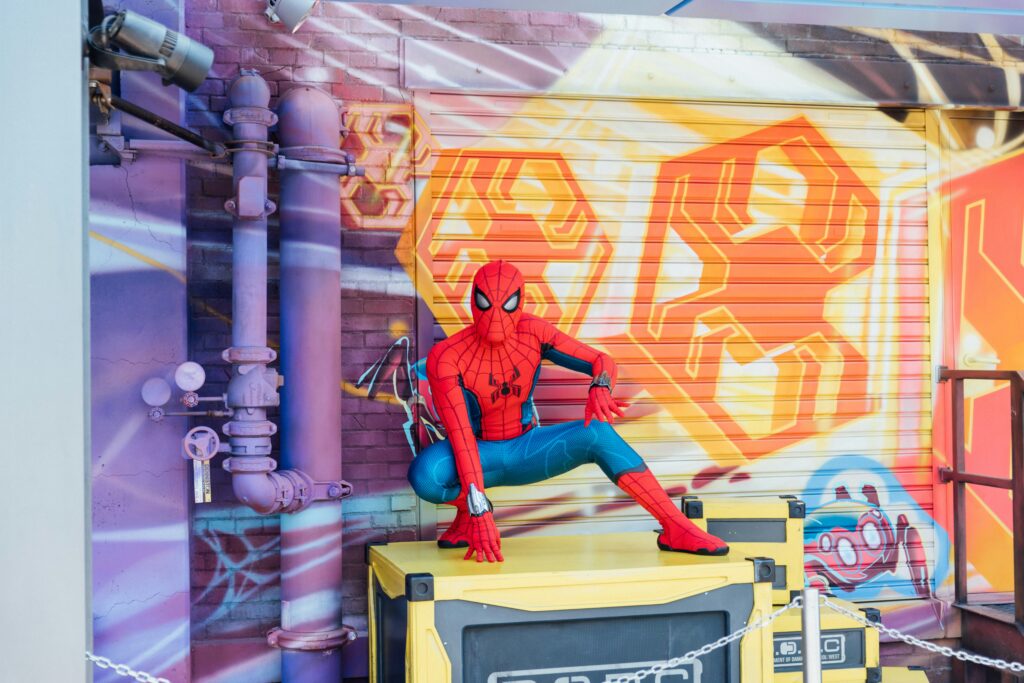
With more live-action and animated projects in development, Spider-Man’s cinematic journey is far from over. Whether through the MCU or Sony’s Spider-Verse, the character remains a cornerstone of superhero storytelling.